Anúncios
Annual fees eat into your rewards before you earn them. A $120/year card needs to generate $120+ in value just to break even. For most Canadians spending under $3,000/month, a $0 card with targeted 2-4% categories outperforms paid alternatives. Here are the cards that prove you do not need to pay to earn.
See all no-fee card options on the government comparison tool:
FIND YOUR $0 CARD NOW →✓ Official site • ✓ Free • ✓ No registration
Want to earn money back on every purchase without paying a cent:
EARN CASHBACK WITH NO FEE →Or turn your spending into free flights — even with no-fee options:
EARN FLIGHTS ON EVERY SPEND →✓ You'll stay on this site • ✓ Free content • ✓ No sign-up
Best No Annual Fee Credit Cards in Canada 2026
| # | Card | Best Category | Earn Rate | Network |
|---|---|---|---|---|
| 1 | Tangerine Money-Back Credit Card | Your choice (2-3 categories) | 2% | Mastercard |
| 2 | Simplii Financial Cash Back Visa | Restaurants + delivery | 4% | Visa |
| 3 | BMO CashBack Mastercard | Groceries | 3% | Mastercard |
| 4 | Neo Financial Mastercard | Partner stores | Up to 5% | Mastercard |
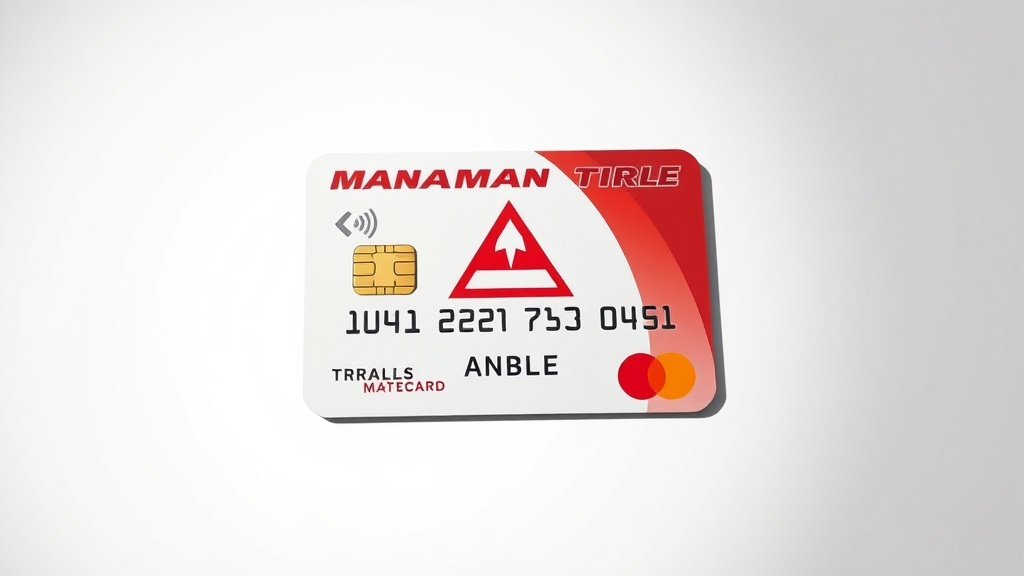
| 5 | Canadian Tire Triangle Mastercard | CT stores + gas | 4% CT, 2% gas | Mastercard |
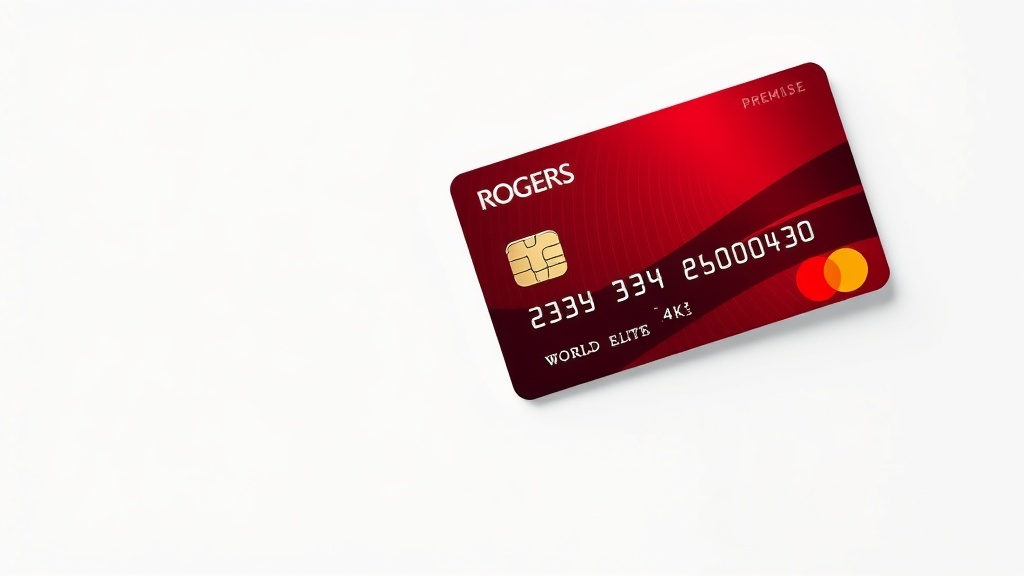
| 6 | Rogers World Elite Mastercard | Foreign purchases | 1.5% intl | World Elite MC |
💡 A $0 annual fee does not mean $0 value. The best no-fee cards earn 2-4% in specific categories — matching or beating many $120/year cards for targeted spending.
Tangerine Money-Back: The Most Flexible Free Card
Tangerine lets you choose your own 2% categories from a list of 10+ options: groceries, gas, restaurants, recurring bills, drugstores, entertainment, and more. Open a Tangerine savings account and you unlock a third 2% category. No cap on category spending means high spenders benefit proportionally.
The weakness: 0.5% on non-category purchases is low. Pair with Simplii (4% restaurants) or BMO (3% groceries) to cover your gaps. A two-card no-fee stack of Tangerine + Simplii covers most spending at 2-4% with zero cost.
Simplii Cash Back Visa: Best for Dining
4% on restaurants is the highest no-fee dining rate in Canada. This includes delivery apps — DoorDash, Uber Eats, Skip the Dishes all code as restaurants. If you spend $400/month eating out or ordering in, that is $192/year in cashback from a free card. No other no-fee card comes close for this category.
You also get 1.5% on groceries and gas — decent secondary rates. No Simplii bank account required to apply.
BMO CashBack Mastercard: Best for Groceries
3% on groceries matches many paid cards — but only up to $500/month in grocery spending. After the cap, it drops to 0.5%. For families spending under $500/month on groceries, this is the best free option. Above that threshold, Scotia Momentum Visa Infinite (4%, higher cap) justifies its $120 fee.
Low income requirement ($15,000) makes this accessible to students and part-time workers. Includes purchase protection and extended warranty — unusual for a no-fee card.
Neo Financial: Best for Partner Stores
Neo works differently: instead of flat rates, you earn up to 5% at thousands of Canadian partner merchants (Hudson Bay, Esso, Mark, Sport Chek, local businesses). Check the Neo app to see which stores near you are partners. If your regular stores are on the list, Neo beats every other free card. If few partners match your habits, Tangerine is better.
The Optimal No-Fee Card Stack
You do not need to pick just one. The strongest no-fee strategy combines two or three cards:
- Tangerine — set to gas + recurring bills (2%)
- Simplii — use for all restaurants and delivery (4%)
- BMO CashBack — use for groceries (3%)
Total cost: $0. Combined earn rate: 2-4% on your top spending categories. This stack outperforms most single $120/year cards for the average Canadian household.
When a Paid Card Makes More Sense
No-fee cards have limits. If you spend $4,000+/month total, a paid card like Amex Cobalt ($155.88/yr, 5x food) or Scotia Momentum Visa Infinite ($120/yr, 4% groceries + bills) earns enough extra to justify the fee. The break-even point: when annual rewards from the paid card exceed annual rewards from the free card plus the fee difference.
Compare all no-fee options with current rates before applying:
CHECK FEES ON RATEHUB →✓ Official site • ✓ Free • ✓ No registration
Frequently Asked Questions
Are no-fee cards worse than paid cards? ▼
Not necessarily. For spending under $3,000/month, a well-chosen no-fee card or two-card stack often outperforms a single paid card. Paid cards only win when your spending volume is high enough to generate rewards exceeding the fee.
Can I change Tangerine categories? ▼
Yes, once per billing cycle. If your spending patterns shift seasonally (more gas in winter, more dining in summer), you can adjust accordingly.
Do no-fee cards build credit the same way? ▼
Yes. All major-bank no-fee cards report to Equifax and TransUnion monthly. Your credit score does not know or care whether your card has an annual fee.
This article is for informational purposes only and does not constitute financial or legal advice. Credit card terms, rates and offers change frequently. Always verify current conditions directly with the issuing bank before applying.