Anúncios
You just arrived in Canada. You have a job, a bank account, maybe a SIN number — but no Canadian credit history. And without credit history, you cannot rent an apartment, finance a car, or get a phone plan without a massive deposit. It feels like a catch-22: you need credit to get credit. But Canadian banks have solved this problem with dedicated newcomer programs that bypass the traditional credit check entirely.
Check which cards approve newcomers with no Canadian credit history:
SEE WHICH CARDS ACCEPT YOU →✓ Official site • ✓ Free • ✓ No registration
Once approved, a no-fee card is the safest starting point:
START WITH A $0 FEE CARD →Or learn how to build your Canadian credit score strategically:
BUILD YOUR SCORE FROM SCRATCH →✓ You'll stay on this site • ✓ Free content • ✓ No sign-up
Best Credit Cards for Newcomers to Canada 2026
| # | Card | Fee | Requirement | Key Benefit |
|---|---|---|---|---|
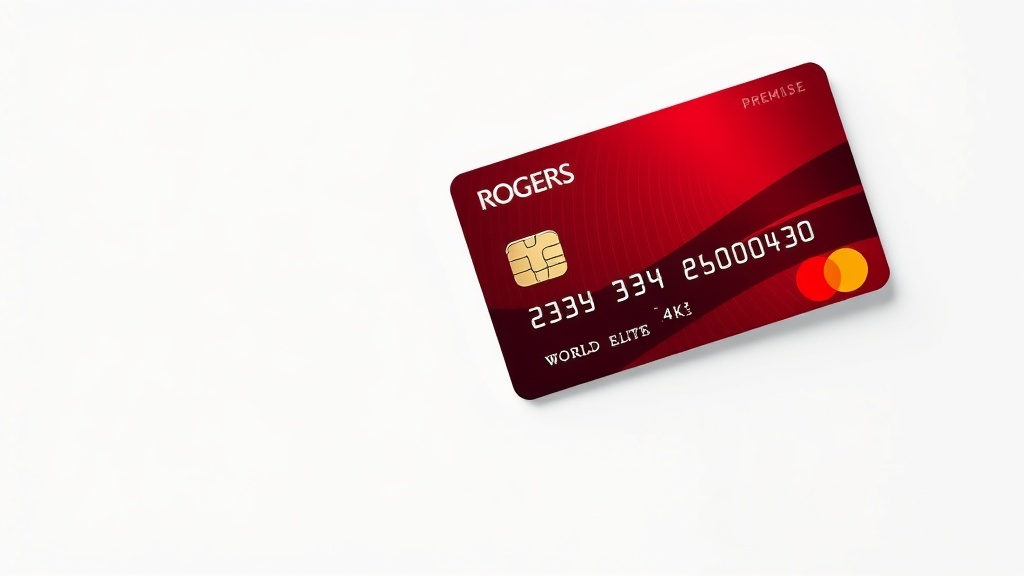
| 1 | RBC Cash Back Mastercard | $0 | RBC newcomer program | 2% groceries + banking integration |
| 2 | BMO CashBack Mastercard | $0 | $15,000 income | 3% groceries, low income req |
| 3 | Capital One Guaranteed Secured | $0 | $75 deposit, no credit check | Guaranteed approval |
| 4 | Tangerine Money-Back Credit Card | $0 | Basic credit history | 2% in chosen categories |
💡 Most banks have dedicated newcomer programs with relaxed income and credit history requirements. You do NOT need to start with a secured card if you have international credit history — ask about newcomer programs first.
How Canadian Credit Works (The Basics)
Canada has two credit bureaus: Equifax and TransUnion. Every time you use credit (credit card, loan, phone plan), the lender reports your payment behavior to these bureaus. Your credit score (300-900) is calculated from this data. A score of 650+ opens most doors. 750+ gets you the best rates.
The problem for newcomers: you start with no file at all. Not a bad score — literally no data. Banks cannot assess your risk, so most standard applications get declined. Newcomer programs solve this by using alternative criteria: your employment letter, international credit history, or a security deposit.
The Big Five Newcomer Programs
Every major Canadian bank has a newcomer program. The eligibility window is typically 1-5 years from your arrival date:
- RBC: Newcomer program accepts PR holders and work permit holders within 2 years of arrival. No Canadian credit history required. Offers RBC Cash Back Mastercard with no fee.
- Scotiabank StartRight: For newcomers within 3 years. Offers Scene+ Visa with no fee and no credit check. Includes free banking for the first year.
- CIBC: Newcomer banking package within 5 years of arrival. Includes credit card with no Canadian history required.
- TD: New to Canada program for PR and work permit holders. Offers TD Cash Back Visa with relaxed requirements.
- BMO: NewStart program. BMO CashBack Mastercard requires only $15,000 income — no credit history needed.
If Newcomer Programs Do Not Work: Secured Cards
If you have been in Canada longer than the newcomer window, or if your situation does not qualify (student visa, no employment letter), a secured card is your guaranteed path. Capital One Guaranteed Secured approves everyone regardless of status — you just need a $75 deposit and a Canadian address.
After 6-12 months of on-time payments with a secured card, your score will be high enough to apply for mainstream no-fee cards like Tangerine or Simplii.
The Newcomer Credit Building Timeline
- Month 1: Open bank account + apply through newcomer program (or get secured card)
- Month 1-3: Use card for one recurring bill, pay in full monthly via autopay
- Month 3-6: Credit file established, score begins building (typically 600-650)
- Month 6-12: Score reaches 650+, eligible for mainstream no-fee rewards cards
- Month 12-24: Score reaches 700+, eligible for premium cards with travel perks
Common Newcomer Mistakes to Avoid
Applying for premium cards immediately: Visa Infinite and World Elite cards require 700+ scores and $60,000+ income. Applying and getting rejected creates a hard inquiry that hurts your nascent score. Start with no-fee cards and upgrade after 12-24 months.
Carrying a balance: Interest rates in Canada are 19.99-22.99%. Never carry a balance on a credit card. If you cannot pay in full, you are spending beyond your means. Use the card only for purchases you can pay off immediately.
Not checking your score: Monitor your score monthly through free services (Borrowell for Equifax, Credit Karma for TransUnion). Catching errors early prevents problems when you apply for your next card or a mortgage.
Closing your first card: Your oldest credit account contributes to your score. Keep your first card open even after you get better cards — it costs nothing if it has no annual fee and it lengthens your credit history.
New to the Canadian credit system? This guide explains everything:
UNDERSTAND CANADIAN CREDIT IN 5 MIN →✓ Official site • ✓ Free • ✓ No registration
Frequently Asked Questions
Does my credit history from my home country transfer? ▼
No. Canadian credit bureaus do not import international credit data. You start from zero regardless of your credit history abroad. However, some banks (particularly Amex) have global transfer programs that consider your international relationship.
How long until I can get a mortgage? ▼
Most lenders require 2+ years of Canadian credit history and a score of 680+ for the best mortgage rates. Some newcomer mortgage programs accept applicants with 1 year of history and a larger down payment (20%+).
Should I get a secured card or use a newcomer program? ▼
Always try the newcomer program first. You get a real unsecured card with rewards, no deposit required. Only use a secured card if you do not qualify for any newcomer program (expired window, no employment letter, student visa only).
This article is for informational purposes only and does not constitute financial or legal advice. Credit card terms, rates and offers change frequently. Always verify current conditions directly with the issuing bank before applying.